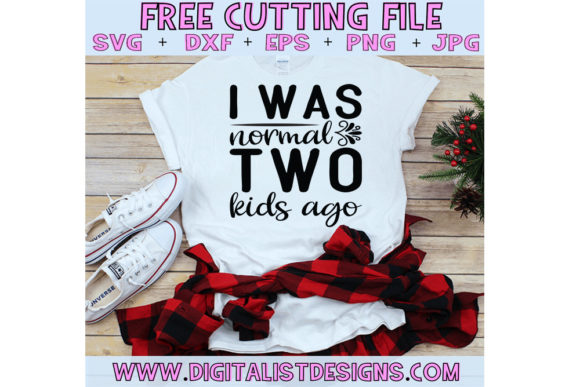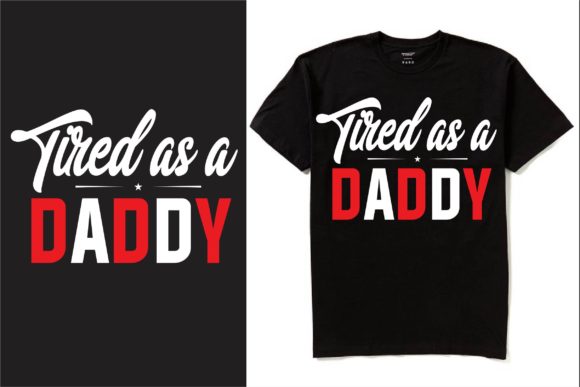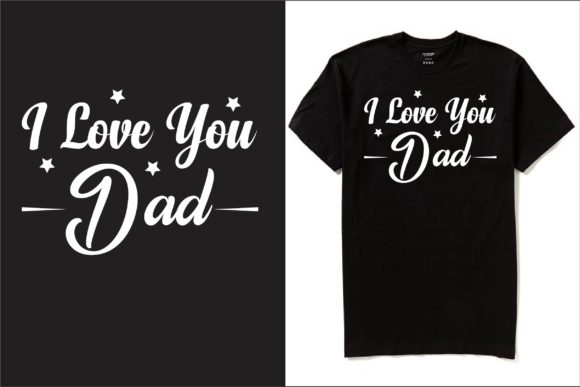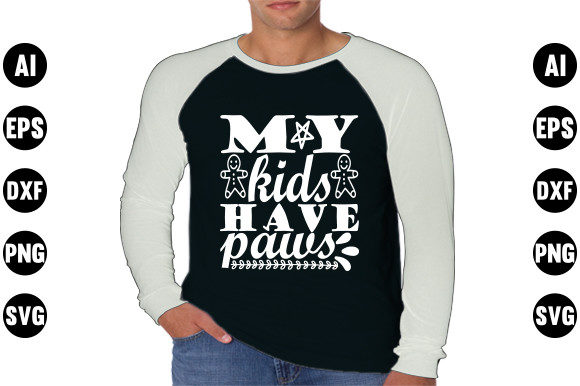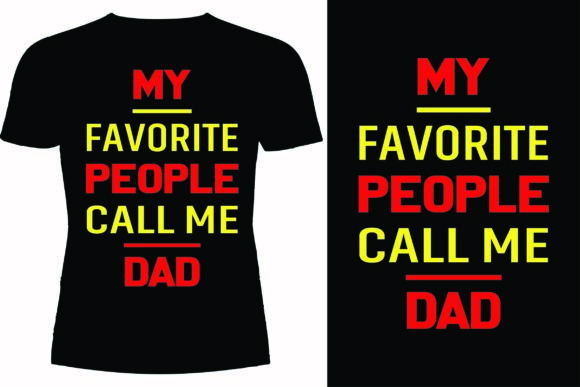
My Favorite People Call Me Dad T-shirt Review
When I first opened the files for My Favorite People Call Me Dad T-shirt, my initial reaction was one of genuine warmth. As a designer who spends hours evaluating digital assets for real-world application, I am constantly looking for that specific spark where a graphic transitions from a simple image into a viable product. This design hits that mark immediately. It carries a mood of affectionate pride, perfect for the father figure in your life. The layout feels balanced, and the typography suggests a casual, approachable personality rather than something stiff or overly formal.
The core strength of this piece lies in its versatility. While the title suggests it is primarily a T-Shirt Designs asset, the visual language speaks to a broader range of applications. In my experience, the best embroidery projects are those that feel natural on the garment or item they adorn. Here, the text is centered and commanding without being aggressive. It screams "personalized gift" while maintaining a level of professionalism suitable for boutique branding or small shop merchandise. Whether you are an Etsy seller looking to expand your Father's Day collection or a crafter making a special keepsake, this design offers a solid foundation.
From Digital File to Finished Product: A Real-World Scenario
To truly understand how My Favorite People Call Me Dad T-shirt performs, I imagine a specific scenario: a local craft fair approaching, and I need to create a cohesive line of gifts for dads. I decide to test this design on a heavy-duty cotton canvas tote bag and a soft fleece sweatshirt. My goal is to see how the design translates from a screen to thread.
On the tote bag, the design shines. The sturdy fabric provides a stable base, allowing the stitches to sit flat and crisp. The message is legible from a distance, which is crucial for display items. However, moving to the sweatshirt introduces a new variable: texture. When I pulled up the design file, I noted that the lettering requires careful attention to stitch density. If the fill is too dense, the fabric might pucker; if it is too sparse, the letters might look thin and cheap. With the right stabilizer and a medium-density setting, the design transforms into a high-quality sweatshirt embroidery piece that feels substantial and durable.
This thought process highlights why I recommend testing before committing to a full run. The transition from a digital embroidery file to a physical object depends heavily on the interaction between the design geometry and the material properties. For instance, if I were to use this on a baby onesie, the scale would need to be adjusted. A design meant for a large adult chest might overwhelm a tiny infant garment unless resized proportionally. The editability of the source file is a major plus here, allowing me to tweak the dimensions without losing the integrity of the vector paths.
Navigating Fabric Challenges and Hoop Limitations
While the design is robust, there are areas where caution is required. Not every surface is created equal. I have found that textured fabrics, such as heavy denim or bouclé wool, can sometimes obscure fine details. If the background fabric has a deep nap, the satin stitch might not lay flat, creating a fuzzy appearance that detracts from the sharpness of the message. Similarly, stretchy fabrics like jersey knits demand a very specific approach. Without proper backing, the tension of the stitching could cause the fabric to warp, ruining the drape of the final custom apparel.
Hoop size is another critical factor. If you are working with a small hoop, perhaps for an embroidered patch or a cap brim, you must ensure the design fits within the boundaries without cutting off essential elements. Curved surfaces like caps present a unique challenge. The perspective shifts, and text that looks straight on a flat screen may appear distorted when stitched onto a curved dome. I advise checking the curvature of your target item against the design layout. If the text curves too sharply, it might become difficult to read, especially for older eyes.
Dense stitch areas also require scrutiny. High-resolution pictures often contain gradients or complex shading that do not translate well to machine embroidery. If this design includes intricate decorative accents or tiny lettering, those details might get lost in the thread mass. It is always wise to inspect small details under magnification before starting the machine. A single missed detail can ruin the professional look of a finished product.
Visual Appeal and Customer Trust
In the world of handmade products, visual clarity builds trust. Customers buying a personalized gift want to know exactly what they are getting. A design that is clear, well-proportioned, and professionally executed signals quality. My Favorite People Call Me Dad T-shirt excels here because the message is universally understood and emotionally resonant. It avoids the trap of being too trendy or too obscure, ensuring it remains relevant for years to come.
For commercial embroidery projects, consistency is key. If you are selling these designs as part of a larger catalog, having a design that matches the aesthetic of your other design assets helps maintain brand identity. The clean lines and straightforward layout of this piece allow it to blend seamlessly with other graphics, whether you are creating a set of matching family tees or a collection of holiday-themed items. The ability to produce a printable mockup that accurately represents the final look is invaluable for marketing on platforms like Etsy or Instagram.
However, color contrast plays a massive role in visual appeal. On dark fabric, light threads might struggle to pop if the saturation isn't high enough. Conversely, on light fabric, dark threads can sometimes bleed if the stitch density is too low. I strongly recommend testing thread colors against your intended fabric backgrounds. A black and white mockup can help you visualize the value contrast before you even cut the thread. This step saves time and money, preventing costly mistakes on expensive materials.
Practical Notes for the Embroidery Designer
Before you hit the start button on your machine, there are several practical steps to ensure success. First, always test the design on scrap fabric. This allows you to gauge the stitch density and adjust the tension settings without risking your final product. Check the stabilizer choice carefully; a tear-away might work for a tote bag, but a cut-away is often necessary for stretchy garments to prevent distortion over time.
Review the stitch types included in the file. Are there sections of satin stitch that might be prone to bird nesting? Do the fill stitches follow the grain of the fabric correctly? Understanding the underlying structure of the machine embroidery design helps you troubleshoot issues before they happen. Also, confirm whether the design works for both personal and commercial projects by reviewing the licensing terms provided by the creator. Some files are restricted to personal use only, which can limit your ability to sell finished items at craft fairs or online shops.
If you are planning to use this for holiday embroidery or wedding gifts, consider the longevity of the project. Frequent washing can wear down certain thread colors or loosen stitches if the design is too dense. Using high-quality threads and proper finishing techniques will extend the life of the embroidery project. Finally, compare the design on different backgrounds. A design that looks great on a white t-shirt might lose its impact on a navy blue one. Adjusting the color palette or adding a contrasting outline can make all the difference.
Ultimately, My Favorite People Call Me Dad T-shirt is more than just a graphic; it is a tool for connection. Whether you are creating a tote bag design for a corporate event, a baby embroidery piece for a new parent, or a commercial embroidery item for your shop, this design offers the flexibility and charm needed to succeed. By paying attention to the technical details and respecting the limitations of the medium, you can turn a simple digital file into a cherished heirloom.