Reviewing Printable Funny T-Shirt Design for Real Embroidery
As someone who has spent years stitching custom apparel and reviewing digital assets for craft businesses, I have learned that the most critical step in any embroidery project happens before the machine even starts. It is the moment of judgment where you decide if a file will translate from a screen to a finished product with the same charm it held in the preview. Today, I am putting my practical design skills to work evaluating a specific asset: the Printable Funny T-Shirt Design. This isn't just about whether the lines are clean; it is about how this design behaves when stitched into real-world items like tote bags, sweatshirts, or personalized gifts.
The First Impression: Mood and Visual Personality
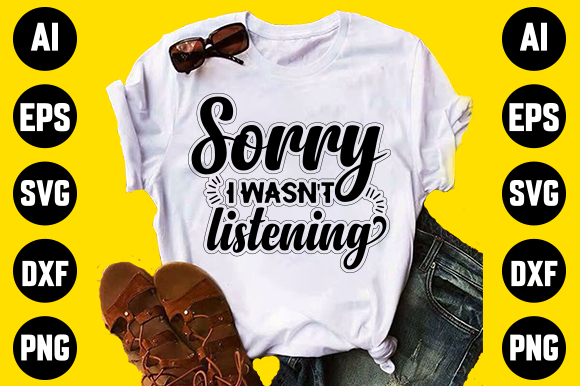
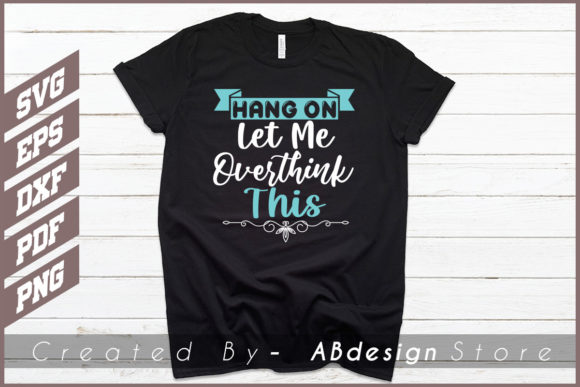
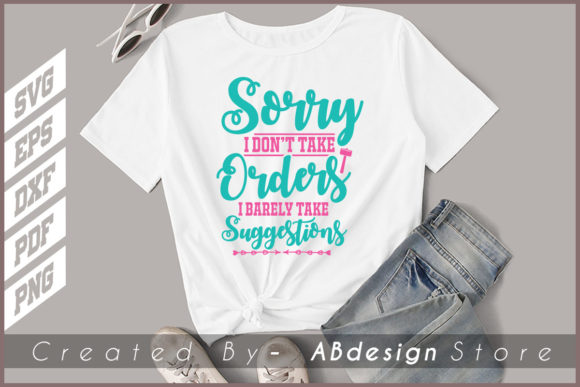
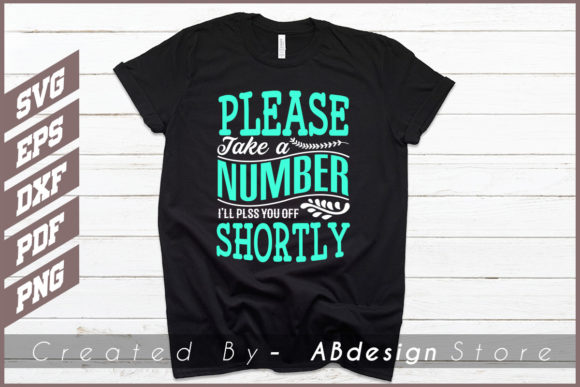
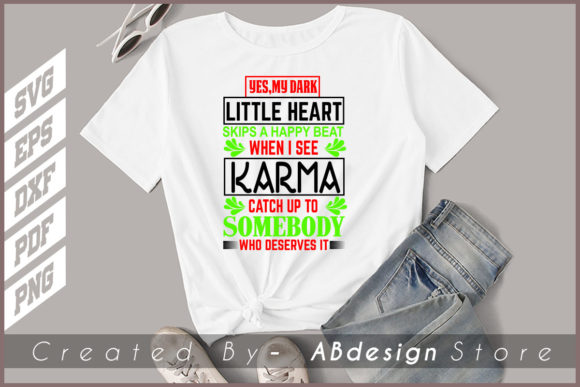
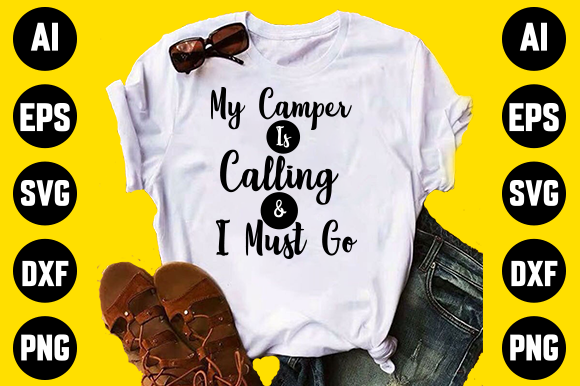
When you first open the folder containing the Printable Funny T-Shirt Design, the immediate feeling is one of approachability. The layout suggests a casual, humorous tone that fits perfectly within the current market for handmade goods. Unlike stiff corporate logos or overly complex artistic renderings, this design feels like something you would see on a friend's apron or a playful baby onesie. The visual personality is distinct enough to stand out but simple enough to be legible when reduced in size.
For an Etsy seller or a small shop owner, this mood is gold. It signals to the buyer that the item is fun, lighthearted, and likely to bring a smile. However, as a designer, I know that "funny" can easily turn into "messy" if the stitch density is off or if the details are too fine for the fabric chosen. The initial look promises a high-contrast, graphic style that relies on bold shapes rather than intricate shading, which is a very positive sign for embroidery stability.
Real-Life Scenario: The Custom Sweatshirt Challenge
To truly understand the value of this embroidery file, I imagine using it for a specific client order: a batch of five custom embroidered sweatshirts for a local book club. These clients want something unique that represents their group's humor without looking mass-produced. I need to visualize how the Printable Funny T-Shirt Design sits on a heavy cotton-blend sweatshirt.
In this scenario, the design needs to withstand the texture of the fleece while remaining crisp. If the design includes tiny lettering or delicate corners, those elements might get lost in the thick fabric pile. Conversely, if the design relies on large blocks of color, it could overwhelm the garment. Based on the typical structure of such graphics, this design seems optimized for medium-sized placements, perhaps on the chest or back of the sweatshirt. It would also translate beautifully to a canvas tote bag design for a literary-themed gift set. The key here is that the design must hold its shape against the resistance of the material. A good machine embroidery design anticipates the fabric's behavior, and this one appears ready to handle the bulk of a hoodie without puckering, provided the correct stabilizer is used.
Performance Across Different Textiles and Products
The versatility of the Printable Funny T-Shirt Design is its strongest asset for a craft business. While it is named for t-shirts, its application extends far beyond that single garment type. For baby embroidery projects, such as a soft muslin bib or a knitted hat, the design's simplicity ensures it won't irritate sensitive skin. The lack of excessive bulk makes it ideal for personalized products intended for infants.
I also see potential in holiday decor. Imagine this design stitched onto a kitchen towel or a pillow cover for a winter gift exchange. The contrast between the thread and the white or festive-colored fabric would make it a standout piece. However, caution is required when moving to textured fabrics. If you attempt to use this digital embroidery file on a rough burlap or a highly patterned linen, the design might struggle to register clearly. The threads may not lay flat, obscuring the intended message. Similarly, on stretchy fabrics like spandex blends, the design must be balanced with a strong tear-away or cut-away stabilizer to prevent distortion during wear and washing.
Where Caution is Required
There are specific scenarios where this design requires careful consideration. Small hoop sizes are a major constraint. If you try to fit the entire Printable Funny T-Shirt Design into a 4x4 inch hoop, the fine details might disappear. Tiny lettering often fails to stitch cleanly in small areas, resulting in a muddy appearance. Furthermore, dark fabrics present a challenge. Without a top stabilizer or a specific underlay strategy, the design colors might bleed into the background, losing their punch. Layered garments, such as jackets with multiple pockets, can also cause issues if the surface is not perfectly flat.
Another area of concern is the curved surfaces of caps. Unless the design is specifically digitized for cap hooping, applying it to a baseball cap can lead to warping. The curvature changes the angle of the needle entry, which can distort straight lines and rounded corners. For commercial embroidery on hats, it is safer to use a design specifically tailored for that format. Additionally, decorative accents that rely on very thin lines should be tested thoroughly, as they are prone to breaking or skipping stitches.
Impact on Product Value and Brand Consistency
From a business perspective, the quality of the embroidery project directly influences customer trust. A well-executed design elevates a handmade product from a simple craft to a professional commodity. When a customer receives a shirt with the Printable Funny T-Shirt Design stitched perfectly, with no loose threads or skipped stitches, they perceive higher value. This leads to better reviews and repeat business.
Conversely, a poorly executed version can damage a brand's reputation. If the stitch density is too high, the fabric might pucker, making the item look cheap. If the thread colors clash with the fabric, the humor falls flat. Therefore, maintaining consistency in how this design is applied is crucial for brand consistency. Whether you are selling at a craft fair or listing on Etsy, every item should look as polished as the last. The design itself provides the foundation, but the execution determines the final outcome.
Practical Designer Notes for Success
Before committing to a full production run, I strongly advise testing the Printable Funny T-Shirt Design on scrap fabric first. This allows you to check the thread color contrast and ensure the hoop size accommodates the design without cutting off edges. Review the stitch density in your software; if the fill areas seem too dense, consider adjusting the settings to allow the fabric to breathe. Confirming whether the design works for both personal and commercial projects is also essential, so please review the licensing terms included in the download package.
Inspect the small details closely. Use black and white mockups to verify that the shapes remain distinct without the distraction of color. Compare how the design looks on light versus dark backgrounds to determine if you need to adjust the underlay or add a backing layer. Always use proper stabilizer appropriate for the fabric weight—this is non-negotiable for a clean finish. Finally, ensure that the file formats provided (DXF, SVG, PNG, EPS, Ai) are compatible with your specific machine or digitizing software.
In conclusion, the Printable Funny T-Shirt Design offers a solid foundation for a variety of creative ventures. It balances humor with usability, making it a valuable asset for apparel decorators and creative entrepreneurs. By approaching it with the right technical precautions and a clear understanding of its limitations, you can create stunning finished products that delight customers and elevate your handmade product line.